
About this video
Sixth grade is one of the biggest jumps a child ever makes.
One teacher becomes seven. One classroom becomes a schedule, a locker, and a hallway full of strangers. Friend groups reshuffle from scratch. And all of it lands exactly when early adolescence is rewiring how they read themselves and every
Generated from MentalSpace School: Georgia K-12 Mental Health and Compliance Guide
Transcript
Welcome to today's explainer. Today we are going to unpack something that is honestly a pretty chaotic reality for so many kids. The transition into sixth grade in Georgia. And more importantly, we'll explore a real systemic solution to the shock that often comes right along with it. Okay, let's dive right into this. We're talking about what experts call the sixth grade shock. Just think about the sheer magnitude of the jump a kid makes here. Literally overnight, that cozy, familiar fifth grade environment with one nurturing classroom and one main teacher, it completely shatters. Suddenly, they're juggling seven different teachers, a super rigid schedule, and you know, the universal terror of trying to figure out a locker combination
for the first time. Add in a hallway packed with total strangers and friend groups reshuffling completely from scratch, and their whole world just turns upside down. It's not just one change, it's a massive pileup of stacked stressors. You've got departmentalized instruction colliding with brand new executive function demands that just totally jump ahead of what they're actually developmentally ready for. And all of this complete social reorganization lands exactly as early adolescence is completely rewiring how these 11-year-olds read themselves and really everyone around them. So what does this all mean? Well, when you stack those stressors up, the psychological data reveals a really sobering fact. It directly links to measurable, undeniable declines in academic performance, their own
self-concept, and their overall engagement in the classroom. Spotting the hidden signs of this struggle is absolutely crucial. While a lot of students do eventually find their footing, we really need to look closely at how this struggle actually manifests in those critical first few weeks. The early warning signs are surprisingly subtle, and they often start physically. Think unexplained headaches or stomach aches with absolutely no medical cause. A once-confident fifth grader might just stop raising their hand. Or they might claim they have no friends, even when they totally do. And then there's the classic organizational collapse. You know, the backpack that looks like a paper tornado hit it. The tragedy here is that well-meaning staff often completely
misread things like a messy binder as a student simply not care. But here is a crucial reframing insight that we all need to internalize. Homework avoidance that looks like defiance is actually overwhelm. Let that sink in for a second. When educators and parents understand this, it entirely changes the game for how we support them. Now, you might be wondering why this distinction matters quite so much. It's because without the proper scaffolding, these are the exact students whose grades will just slip quietly through the fall. Just handing a struggling kid a brand new color-coded binder is definitely not enough scaffolding. The kids who don't get that deeper psychological and organizational support are the ones who silently
fall behind while everyone else just moves on. Which brings us to a really vital question. If these issues are happening so quietly, what actually determines whether a student gets caught before they fall too far? So, the crucial point is access speed. These are highly catchable problems, but they are only catchable if districts pair this incredibly turbulent transition period with rapidly accessible mental health support. The deciding factor is literally just whether a concerned teacher's referral reaches a qualified clinician in a matter of days rather than languishing on some community weight list for weeks or even months. And that leads us to a real systemic solution, the mental space solution for Georgia schools. This operates as a
rapid response safety net designed specifically for K through2 students in Georgia. It ensures that when a referral is made, the help is there immediately. This comprehensive infrastructure goes way beyond your basic hotline. Mental Space provides same-day taotherapy, dedicated therapist teams for specific schools, suicide and violence prevention, and rapid crisis intervention. The whole shebang even extends out to cover staff wellness and family counseling. Accessibility is built right into its foundation. Care is provided by licensed, diverse, and culturally competent therapists. They accept a massive range of insurance like Blue Cross Blue Shield, Sigma, Etna, Humana, you name it. And a huge point here for Medicaid patients, the out-ofpocket cost is exactly $0. Plus, of course, everything remains
fully HIPPA and FURPA compliant. And this brilliantly illustrates the real world impact of that rapid access. The data back success rates are massive. Reported outcomes show an 89% improvement in student attendance, a 92% reduction in anxiety, and an 85% rate of family satisfaction. So, consider this. Is your district truly prepared for evolving Georgia school mental health legislation? Mental Space actually supports this preparation, though of course districts should always consult their own council on specific statutory obligations. But the big picture question remains, are your systems genuinely ready to support students when they need it most? To learn more about implementing this safety net, you can visit mentalacchool.com or just email mentalacchool@chapy.com. Thank you so much for
joining me for this explainer. The transition into sixth grade is tough, but you now have a clear, actionable next step to help those rising middle schoolers truly thrive. So, what are you going to do to ensure your students don't fall through the cracks?
More videos

How to help a teen with severe depression?
How to help a teen with severe depression?
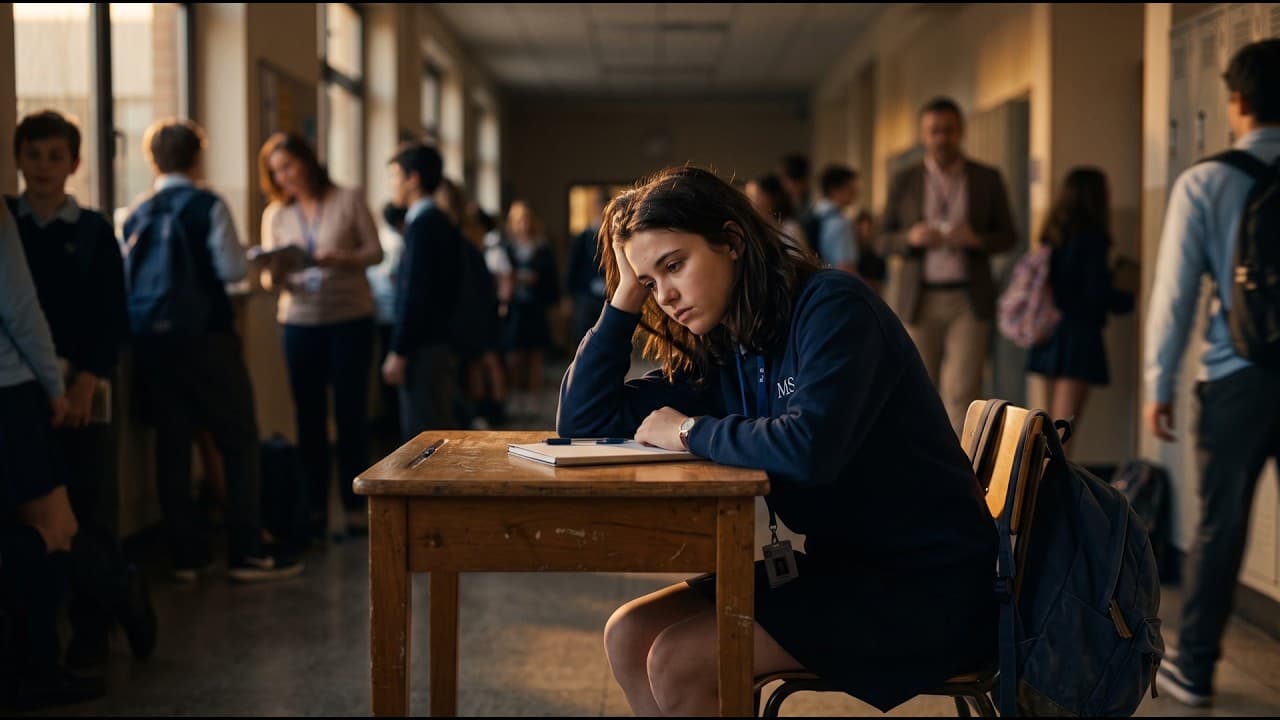
Students Raising Siblings: Signs Teachers Miss
Educators and parents: some of the most responsible kids in your building are also the most tired.
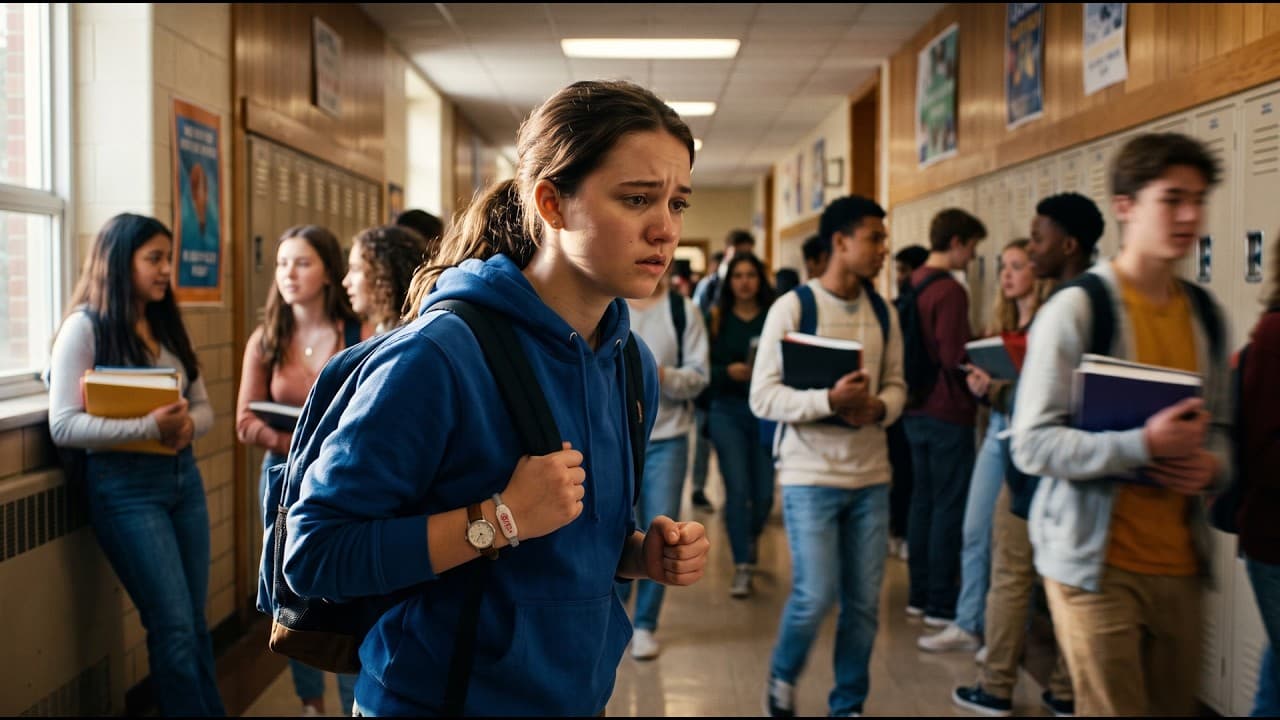
Chronic Illness & Student Anxiety: Signs and Support
A student with epilepsy can be fully prepared to manage a seizure and still spend every class worrying about having one in front of classmates.
Bring this kind of support to your school
Teletherapy, onsite clinicians, live workshops, and HB-268 compliance support for K-12 districts. Book a 15-minute consultation.
Get started