
About this video
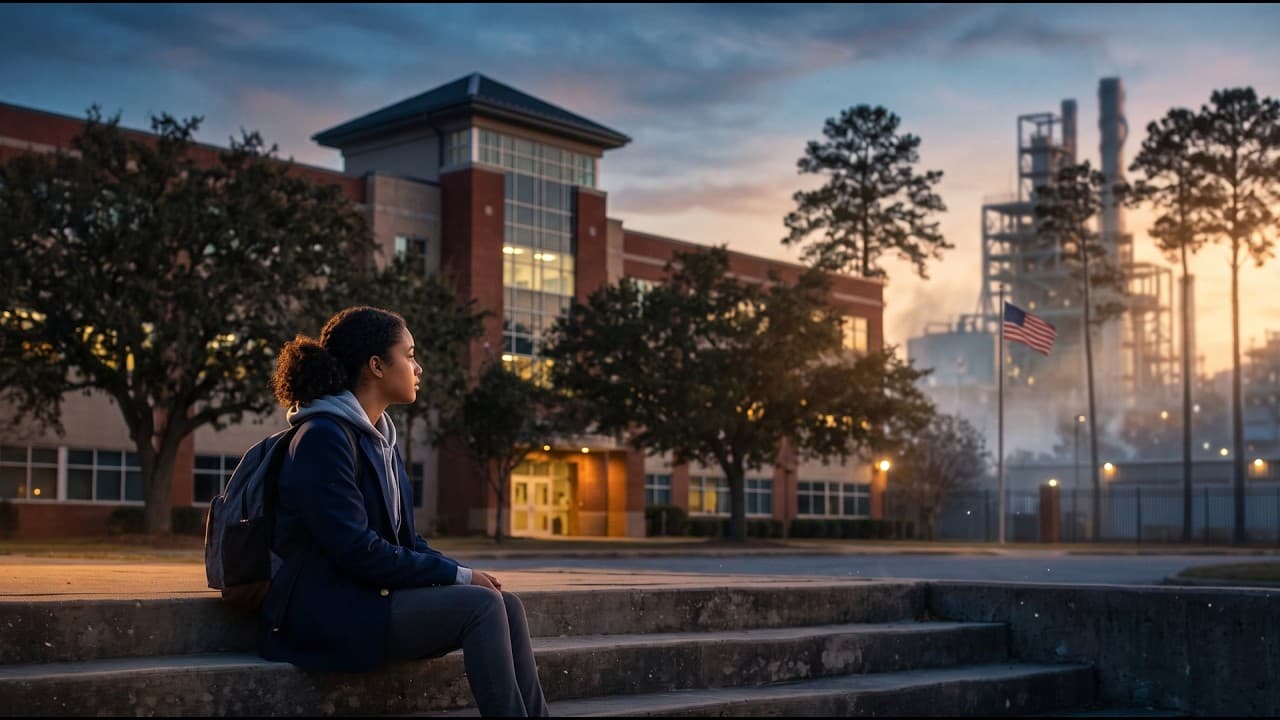
"Kids are resilient — they'll bounce back from a move." It's true that children adapt, but a big transition can hit harder than we expect. When a family relocates or a child starts at a new school, the loss of familiar faces, routines, and a sense of belonging is real. For some kids, that shows up w
Generated from MentalSpace School: Georgia K-12 Mental Health and Compliance Guide
#MentalSpaceSchool #SchoolMentalHealth #K12Wellness
Transcript
Kids are resilient. Give them time and they'll bounce back. It's the standard advice given to families packing up for a move or switching to a new school. But from a child's perspective, a relocation is a sudden, total severance of their known world. The familiar routines and safety networks vanish. Within the first few months, the stress of this loss manifests. You might see severe sleep disruptions, sharp spikes in irritability, an inability to focus, or a sudden refusal to go to school at all. Adults often look at these delayed behavioral shifts and misinterpret them. We assume the child is simply being difficult, acting out, or leaning into dramatics. By relying on the cultural myth of innate resilience,
we often ignore a legitimate cry for help, leaving kids to navigate a psychological crisis completely alone. This reaction isn't a character flaw. It has a specific clinical definition, an adjustment response. When a child experiences severe geographic and social displacement, their brain registers it as a threat. Baseline emotional regulation drops, and the nervous system locks into a state of elevated stress. This is exactly why the advice to wait it out fails. The human brain cannot passively heal this specific type of social severance without active support. To resolve an adjustment response, a child has to explicitly process the loss of their old environment and actively rebuild a sense of connection in the new one. That requires external
structured intervention. The gold standard tools for treating this transition stress are short-term cognitive behavioral therapy, or CBT, combined with supportive therapy. CBT equips children with the exact vocabulary they need to accurately identify and name complex emotions, rather than projecting them out into the world through negative behavior. Navigating this requires a licensed clinician. A professional is necessary to accurately distinguish temporary adjustment stress from other underlying psychological disorders, ensuring the care plan fits the child's exact needs. For that care to work, it also must be culturally responsive. A child can only rebuild a sense of safety when they feel understood by their provider. The clinical tools to treat an adjustment response exist. The primary barrier is the
logistical friction of connecting a displaced child to this specialized care. When a family moves to an unfamiliar city, trying to find, vet, and secure new mental health care is a massive logistical hurdle. Mental Space School is a structural solution built to remove that hurdle for Georgia's K-12 schools, bringing clinical care directly into the student's new educational environment. They bypass geographical barriers by providing same-day teletherapy, utilizing dedicated teams of licensed, culturally competent therapists assigned directly to the school. They also eliminate financial friction. Medicaid patients receive care at zero cost, and the service accepts a wide range of major commercial insurance plans. By embedding this care directly within the school system, a logistical nightmare becomes immediate, frictionless
psychological support. When students receive Mental Spaces integrated support, the first major shift is in daily functioning, with 89% showing improved attendance. Clinical outcomes follow closely. 92% of students report reduced anxiety, and family satisfaction rates hit 85%. For Georgia schools, there's a vital administrative benefit as well. This exact model provides the framework needed to meet the state's HB 268 compliance deadline by July 2026. True resilience is not about a child suffering in silence until things finally feel normal. It's about providing the right support system at the exact right time. You don't have to wait it out alone. Learn more at mentalspaceschool.com.
More videos

Student Athlete Mental Health: Signs
Two-a-days are underway. Something else started at the same time, and nobody's charting it.
Military-Connected Students: Mid-Year Help
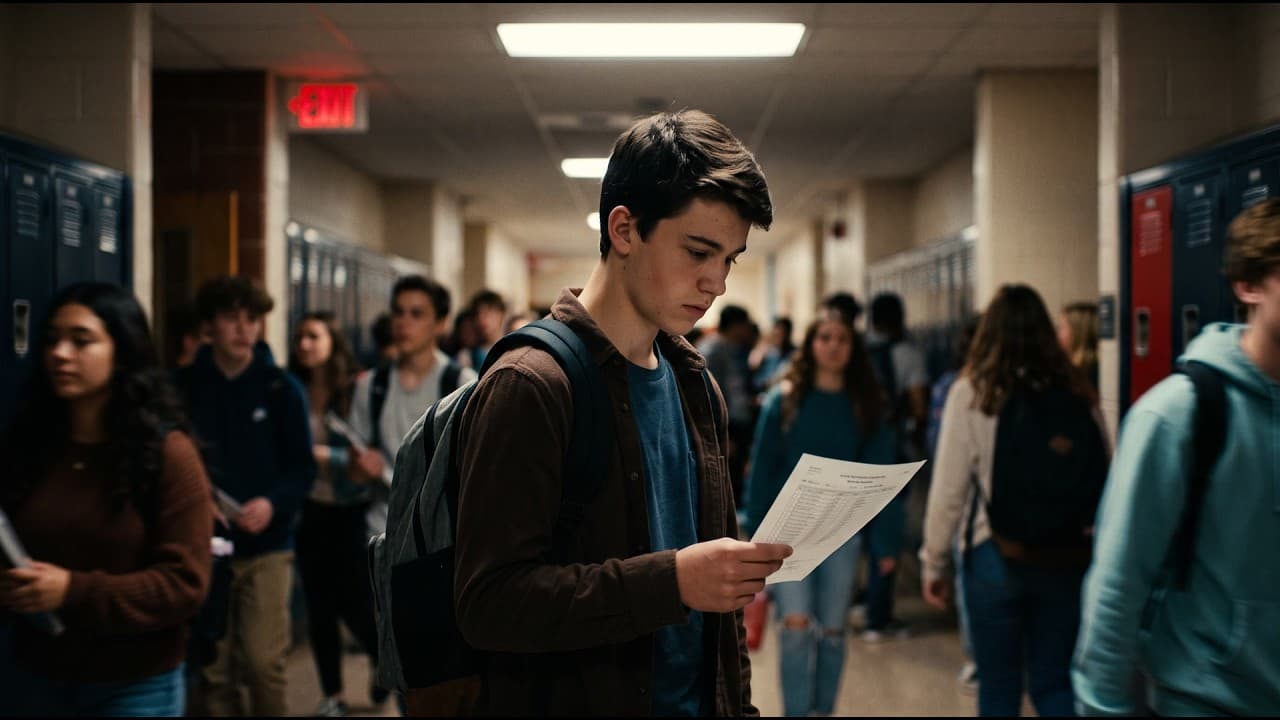
How many students in your building are on their sixth school? Near a Georgia installation, the number is usually higher than staff expect.
Supporting Foster Care Students at School
Some students walk in this month having changed schools three times in two years. The roster gives you a name and nothing else, and often that's intentional.
Bring this kind of support to your school
Teletherapy, onsite clinicians, live workshops, and HB-268 compliance support for K-12 districts. Book a 15-minute consultation.
Get started