
About this video
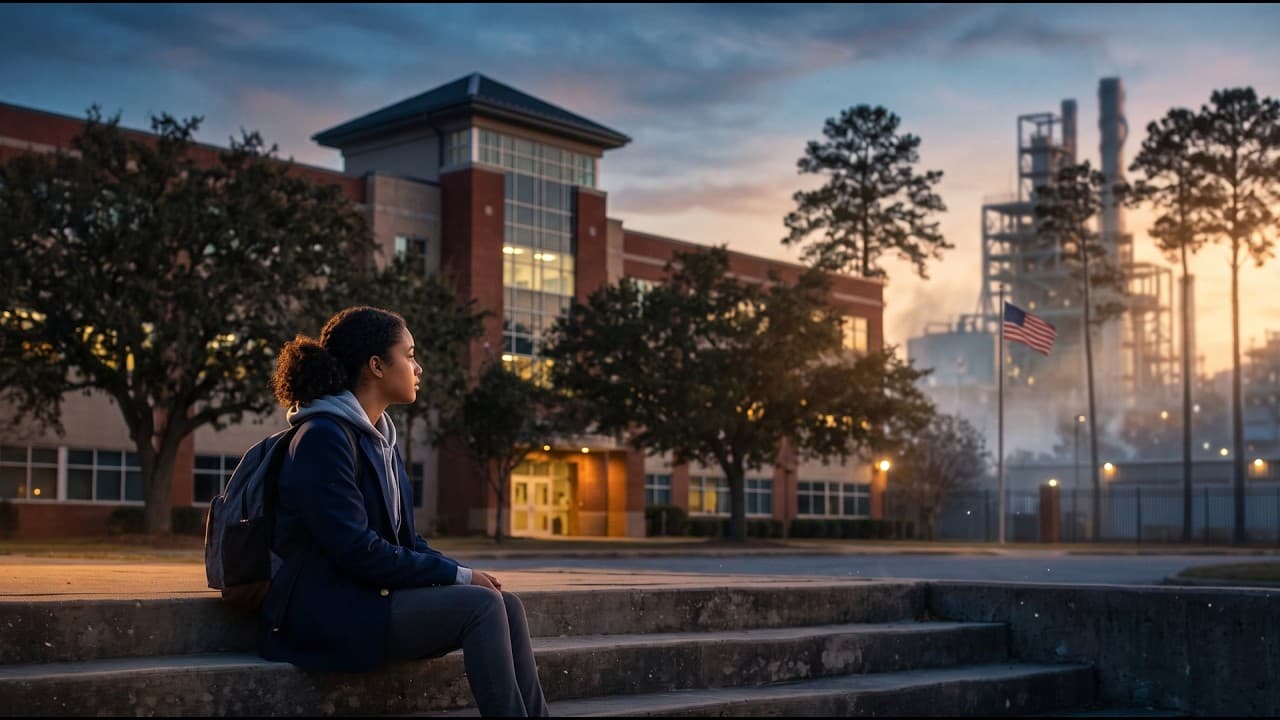
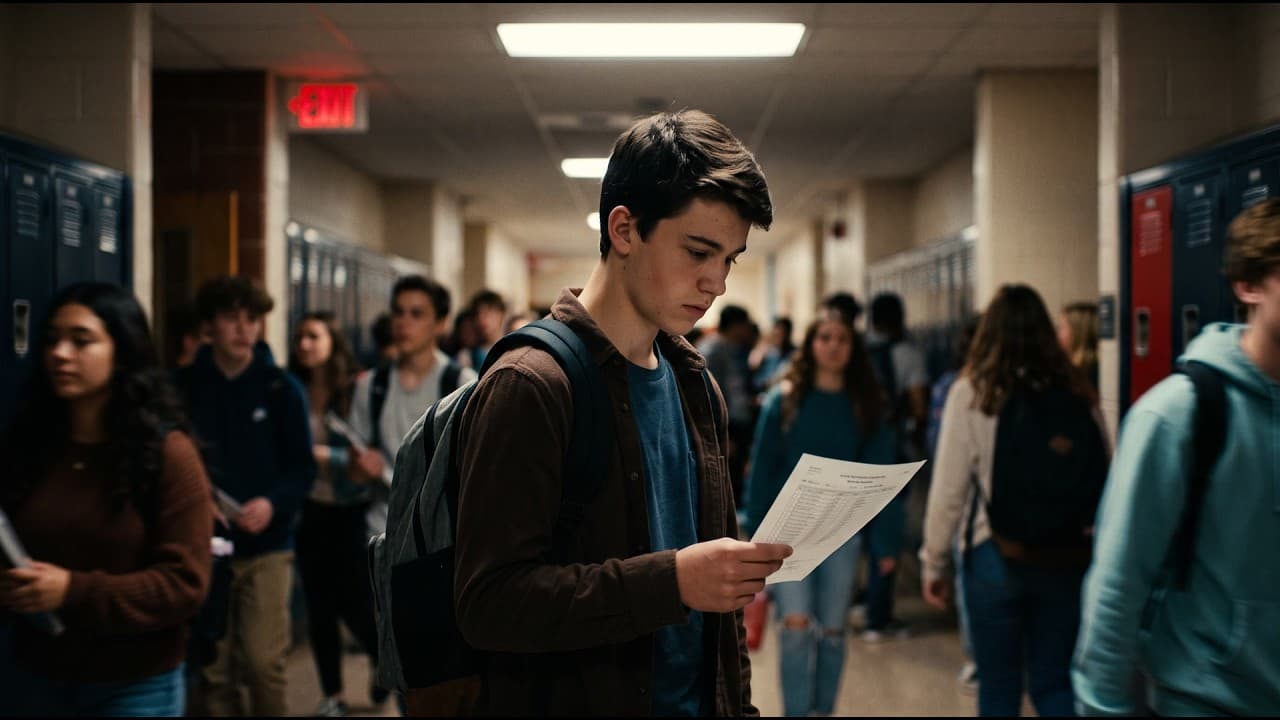
A tired teenager and a teenager with ADHD can look nearly identical from the front of a classroom.
Inattention. Irritability. Forgetfulness. Falling behind on work they clearly understand. Every August schools see a wave of it — and a meaningful share is a sleep schedule that drifted two or three h
Generated from MentalSpace School: Georgia K-12 Mental Health and Compliance Guide
Transcript
Welcome to today's explainer. You know, every single August, right as the doors open and those hallways fill back up, school districts across the country get hit with this really compelling diagnostic mystery. Teachers and administrators are suddenly staring at students who seem to have completely transformed over the summer break. And it always leads to a massive surge in behavioral and academic concerns right out of the gate. It really forces us to step back and ask a critical question. Is that suddenly lazy? maybe unmotivated or irritable students sitting in the front of the classroom actually struggling with ADHD or are they just suffering from a massive case of summer sleep drift? Honestly, it's incredibly common to just
assume it's a structural attention deficit. But when we actually look closely at the data and the biology, the reality might be much simpler. Though, let's be real, it's definitely no less disruptive. Section one, the ADHD lookalike. When symptoms mirror sleep loss, we really have to start with a little bit of empathy here. Think about it from the vantage point of a teacher standing at the front of a busy classroom. A severely underslept teenager and a teenager with actual ADHD look almost exactly identical. Think about those classic markers of ADHD. Inattention, irritability, forgetfulness, and declining work completion, especially when a kid falls behind on work they clearly understand. Now, compare that to adolescent sleep loss. It
is the exact same surface presentation. This is exactly why schools see massive waves of referrals every fall. A highly meaningful share of these behaviors isn't a permanent neurological condition at all. It's simply a sleep schedule that drifted 2 or 3 hours later over the summer and just never got properly reset. Section two, adolescent sleep biology, the internal clock clash. It's absolutely crucial that we shift our narrative away from just observing behavior and start looking at the underlying biology. This isn't just about teenagers being stubborn or having a bad attitude. We have to validate their experience because puberty physically shifts an adolescent internal circadian clock later. This creates genuine physical friction. A teenager genuinely might not
feel an ounce of sleepiness at 10 p.m. because their brain literally isn't producing the melatonin to wind them down yet. But regardless of their internal clock, the reality of the school district is that the yellow bus is still arriving at 6:45 a.m. sharp. It's an internal clock clash of epic proportions. Section three, the sleep reset protocol. anchoring the circadian clock. So, we know the biology is tough, but it is definitely not insurmountable if we approach it structurally. To fix this, ideally a week or two before the first bell even rings, we need some actionable steps. And the most interesting part of this protocol is actually step one. It's all about moving wake times earlier in
15 to 20 minute increments rather than just trying to shift bedtime all at once. Why? Well, because waketime anchors the circadian clock far more reliably than bedtime does. Think about it. You can't force yourself to fall asleep, but you sure can force yourself to wake up. Step two supports this perfectly. Getting bright morning light in your eyes within an hour of waking up. That signals to the brain that the day is officially started. Step three, dimming screens and overhead lights in the last hour of the evening to let that natural sleepiness build up. And finally, step four, which is usually the hardest for teenagers, keeping weekend wake times within about an hour of school days
so you don't just undo all that hard work over Saturday and Sunday. Section four, protecting evaluation capacity, the systemic ROI for schools. So why should school leadership actually care deeply about sleep schedules before they initiate those costly special education referrals? Well, because misattributed referrals literally consume evaluation capacity that another student is desperately waiting on. Distinguishing between genuine ADHD and summer sleepd drift matters immensely because the interventions are just entirely different. You cannot treat a sleep deficit with an individualized education program for attention. Misdiagnosing sleep issues waste critical finite school psychology resources and it just clogs up the pipeline for everyone else. And this leads us to a brilliant total system hack of a revelation for
managing that infamous mid-semester referral crunch. We call it the rule out protocol. For school teams looking at these really ambiguous cases where a student looks like they have ADHD but might honestly just be exhausted. Establishing sleep timing is the crucial first step. If you treat a twoe corrected sleep schedule as a precondition for an ADHD referral, you clear all the noise. If the student gets back on a healthy sleep track for two weeks and the inattention and irritability suddenly vanish, boom, it was sleep. But if the symptoms persist after sleep is genuinely corrected, well then that absolutely warrants a full assessment. Just consider the systemic reality for a second. It is far cheaper to run
a sleep reset communication campaign to families than to process the referrals that follow from not running one. This is the ultimate financial and systemic argument. Being proactive in August, sending out a few emails, hosting a quick webinar, just talking to parents about the sleep reset protocol is an incredibly defensible use of staff time. It literally saves thousands of dollars and hundreds of staff time down the road. Section five, mental space, school solutions, comprehensive K12 support for Georgia. Now managing this massive overlap of behavioral, academic and mental health challenges that is not something schools have to do alone. Mental space school solutions acts as the ultimate holistic partner for navigating these exact complex diagnostic overlaps and
their outcome data is just phenomenal. We are talking about 89% improved attendance, a massive 92% reduction in anxiety among students and 85% family satisfaction. They pull this off through incredibly comprehensive offerings designed specifically for the school environment. They offer same-day teleotherapy, dedicated teams of diverse, culturally competent therapists for each school, immediate crisis intervention, suicide and violence prevention, and even staff wellness and family counseling. It's a truly complete wraparound model. And this support is backed by massive accessibility. Crucially, they accept Medicaid at zero cost right alongside major providers like BCBS, Sigma, Etna, UHC, and Peach State, which ensures that almost every single student has access. On top of that, they remove the administrative headache from schools
by maintaining strict HIPPA and Furpa compliance. Plus, they fully support the upcoming HB268 compliance standards hitting Georgia ahead of the July 2026 deadline. They've already done the administrative heavy lifting, so schools just don't have to. For districts that are ready to protect their evaluation capacity, streamline their diagnostics, and genuinely support their students and families right from day one, you can reach out directly at mentalchool.com or just shoot an email to mentalchool@chapy.com. So, we've covered the biology, the behaviors, and the immense systemic cost of confusing sleepdrift with clinical ADHD. So, I want to leave you with this final provocative thought. Will you reset the clock before writing the referral this August? By simply pausing to ask
that question, you empower your entire school system to make smarter, more accurate, and far more compassionate decisions for every single student walking through those doors. Thank you so much for diving into this explainer with me. Keep learning, and I'll see you in the next one.
More videos

Student Athlete Mental Health: Signs
Two-a-days are underway. Something else started at the same time, and nobody's charting it.
Military-Connected Students: Mid-Year Help
How many students in your building are on their sixth school? Near a Georgia installation, the number is usually higher than staff expect.
Supporting Foster Care Students at School
Some students walk in this month having changed schools three times in two years. The roster gives you a name and nothing else, and often that's intentional.
Bring this kind of support to your school
Teletherapy, onsite clinicians, live workshops, and HB-268 compliance support for K-12 districts. Book a 15-minute consultation.
Get started