
About this video
A common myth we want to retire: 'They'll grow out of it.' Separation Anxiety Disorder doesn't always resolve on its own — and untreated, it often becomes panic disorder, school refusal, or social anxiety in later years. Look for: clinginess past developmental expectations, nightmares about being ap
Generated from MentalSpace School: Georgia K-12 Mental Health and Compliance Guide
#MentalSpaceSchool #SchoolMentalHealth #K12Wellness
Transcript
School drop-offs follow a recognizable pattern. Tears, pleading, and a white-knuckled grip on the doorframe as parents attempt to comfort their child. Soothing a distressed child in the moment feels like the right response, but this behavior inadvertently reinforces the anxiety. While these morning meltdowns are expected in toddlers, the same intensity of fear often appears in 9-year-olds or 14-year-olds who refuse to attend a weekend sleepover. Because society views separation issues as a childhood phase, older children presenting these symptoms are frequently labeled as difficult, overly clingy, or manipulative. These behaviors stem from separation anxiety disorder, a specific, treatable clinical condition that affects roughly 4% of all children. Mislabeling the behavior in older kids as a personality flaw obscures
a common medical condition, leaving families fighting a battle they cannot name. Some separation anxiety is developmentally normal. Kindergarteners often cry during their first week, and children may experience temporary regression after a stressful event. When the intensity of fear breaks peer norms, and the distress crosses the 4-week mark, it reaches the level of clinical impairment. Internally, the child is consumed by an overwhelming dread of losing a parent to an accident, kidnapping, or death. That psychological weight triggers tangible physical manifestations. As separation approaches, the dread produces real anticipatory stomach aches and morning headaches. Separation anxiety disorder is a visceral, physiological response to what the child perceives as an existential threat. In school-age children, onset is frequently catalyzed
by a major life event, like a death in the family, a move, a divorce, or a global crisis. This cycle of psychological accommodation begins when anticipated separation causes severe distress. When a parent accommodates this by abandoning drop-offs or letting the child stay home, the panic subsides. This relief neurologically validates the child's fear, strengthening anxiety for the next attempt. This psychological loop is an evolutionary mismatch of human empathy, driven by protective instincts rather than a failure of parenting. Our natural instinct to protect children from distress is the very mechanism that accidentally traps them in a cycle of fear. Leaving this cycle unchecked has long-term consequences. Untreated childhood separation anxiety predicts a higher risk of adult panic
disorder, agoraphobia, generalized anxiety, and depression. Breaking this loop relies on cognitive behavioral therapy, or CBT, combined with graduated exposure. Graduated exposure involves facing the fear in tiny, manageable increments. By practicing brief separations, the therapy retrains the brain's threat response over time. Parent coaching teaches parents to replace prolonged soothing with brief, predictable goodbyes, and structured reentry plans. Curing the disorder requires rewiring both the child's expectations of danger and the parent's instinct to shield them from it. Because this disorder intertwines with school refusal and family dynamics, an isolated therapy session is often insufficient to break the loop. Mental Space School is a comprehensive K-12 ecosystem built for Georgia schools, designed to embed mental health care directly into
the child's daily environment. Mental Space coordinates dedicated therapy teams with school counselors, while building parent coaching directly into the treatment plan. The program offers immediate access through same-day teletherapy intake. Care is a $0 copay for Medicaid, and all major commercial insurance plans are accepted. Integrated systems allow us to treat severe separation anxiety as a clinical condition, rather than a behavioral flaw, curing the disorder before it dictates a child's future.
More videos
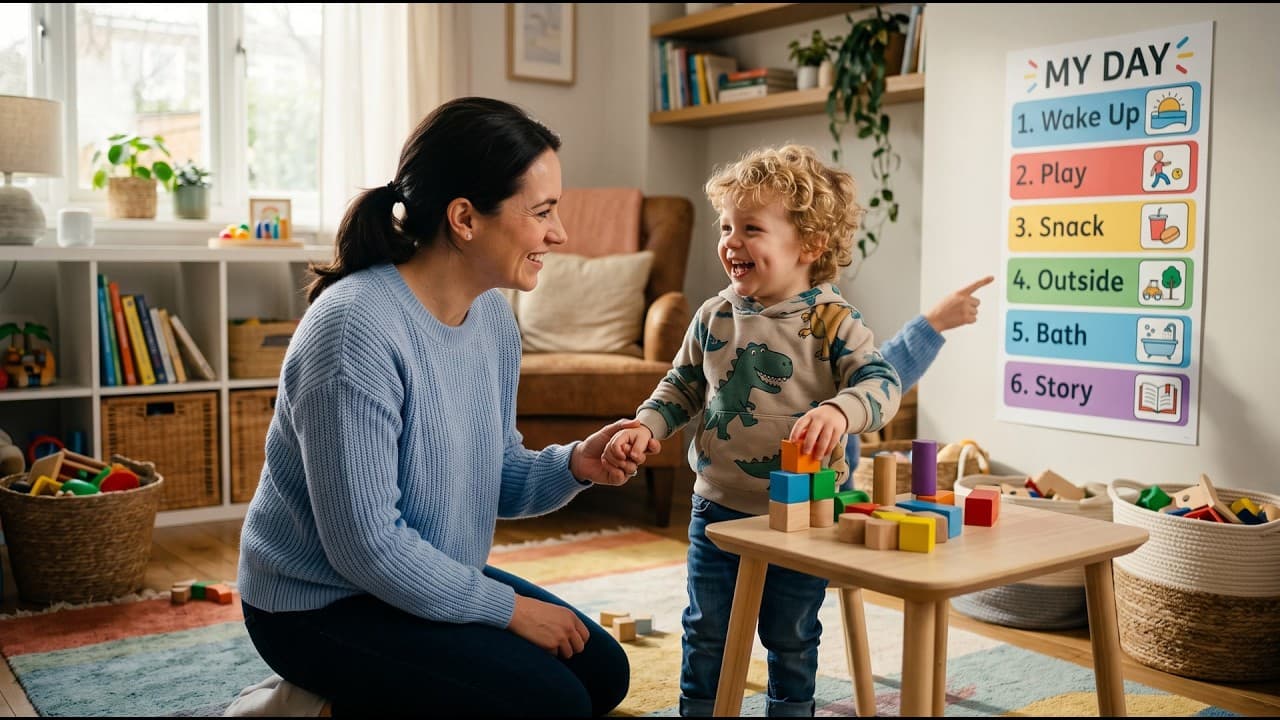
How to manage ADHD in a 3 year old?
How to manage ADHD in a 3 year old?
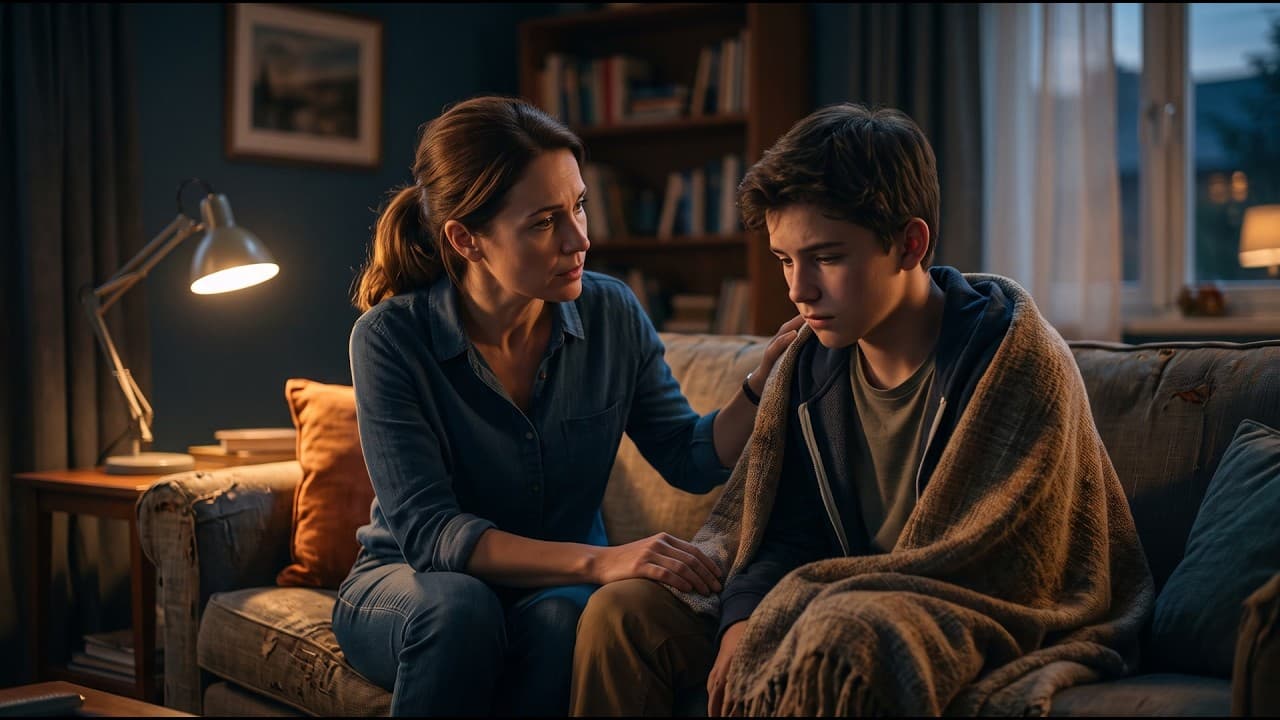
How to help a teen with severe depression?
How to help a teen with severe depression?

Students Raising Siblings: Signs Teachers Miss
Educators and parents: some of the most responsible kids in your building are also the most tired.
Bring this kind of support to your school
Teletherapy, onsite clinicians, live workshops, and HB-268 compliance support for K-12 districts. Book a 15-minute consultation.
Get started